Why Are Casinos On Water In India? 🎰⚓
The Intriguing Legal Loophole That Created India's Floating Gambling Paradises
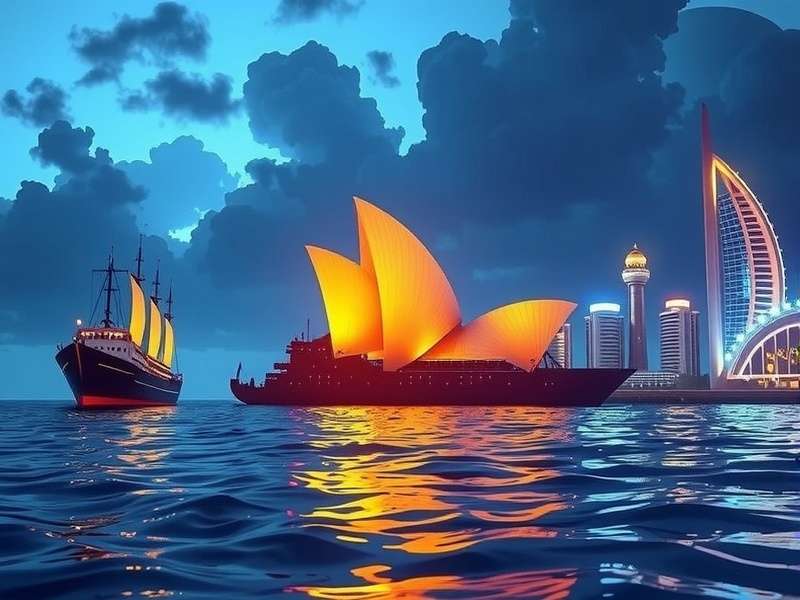
In the vibrant coastal state of Goa, a unique phenomenon catches every visitor's eye: magnificent floating casinos anchored on the Mandovi River. This isn't just architectural novelty—it's a carefully crafted legal workaround that has shaped India's gambling landscape. The question "why are casinos on water in India" unravels a fascinating tale of legal technicalities, cultural negotiations, and economic pragmatism that defines gambling in the world's largest democracy.
🚢 The Historical Context: How Water Became the Legal Haven
India's relationship with gambling is complex, rooted in ancient traditions yet constrained by modern legal frameworks. The Public Gambling Act of 1867, a colonial-era legislation, forms the backbone of India's gambling regulation. This act prohibits running or being in charge of a public gambling house. However, critically, it only applies to "land-based" establishments within state territories.
This geographical limitation opened a legal window: territorial waters. Indian states have jurisdiction over land areas but face ambiguities regarding offshore activities. By anchoring casinos in rivers just beyond the technical "land" boundary, operators found a space where state gambling laws could be interpreted differently. Goa, with its Portuguese colonial history that had more permissive attitudes toward gambling, became the testing ground for this innovative approach.
Key Insight: The "on water" strategy isn't merely about physical location—it's a sophisticated legal positioning that navigates between central government authority (over international waters) and state government jurisdiction (over land territories).
1.1 The Goa Gambling Revolution
Goa's journey as India's casino capital began in the 1970s with small-scale gambling operations. The real transformation occurred in the 1990s when the state government, recognizing tourism potential, formalized casino regulations. The Goa, Daman and Diu Public Gambling Act, 1976 was amended to allow gambling on offshore vessels. This wasn't accidental—it was strategic economic planning.
The first major floating casino, Caravela, launched in 1999, marked the beginning of a new era. Today, Goa hosts approximately 15 floating casinos on the Mandovi River, generating significant revenue and employment. Each vessel represents not just entertainment but a carefully negotiated existence between law, economics, and social acceptance.
⚖️ Legal Labyrinth: Understanding the Jurisdictional Dance
The legality of water-based casinos in India operates within a complex three-layer framework:
2.1 Central vs. State Jurisdiction
Under the Indian Constitution, "betting and gambling" appears in the State List (Entry 34), giving state governments primary legislative authority. However, the central government maintains control over shipping, navigation, and activities in territorial waters. This creates an overlapping jurisdiction that floating casinos expertly navigate.
2.2 The 12-Nautical Mile Conundrum
India's territorial waters extend 12 nautical miles from the baseline. Within this zone, India exercises sovereignty. However, the United Nations Convention on the Law of the Sea (UNCLOS), to which India is a signatory, grants certain rights to other nations in territorial waters. This international dimension adds complexity to regulatory enforcement.
Floating casinos typically anchor within inland rivers (like Mandovi in Goa) or just offshore in coastal areas, carefully positioning themselves in jurisdictional gray areas. This positioning allows them to operate under state-issued licenses while being technically outside the strictest interpretations of land-based gambling prohibitions.
🌊 Beyond Goa: Other Indian States with Water Casinos
While Goa dominates the floating casino narrative, other regions have explored similar models:
3.1 Daman & Diu
Following Goa's model, the union territory of Daman has permitted offshore casinos. However, regulatory challenges and political changes have created a more restrictive environment compared to Goa.
3.2 Sikkim's Unique Position
Sikkim, in Northeast India, has taken a different approach. While not requiring casinos to be on water, it has established its own gambling regulations. The state allows land-based casinos but with strict limitations. For those interested in broader casino online in India options, Sikkim's licensing framework has influenced digital gambling regulations.
💰 Economic Implications: The Revenue Stream
Floating casinos contribute substantially to state economies through multiple channels:
- License Fees: Operators pay substantial annual fees ranging from ₹5-25 crore per vessel
- Tax Revenue: Gaming taxes generate approximately ₹400-500 crore annually for Goa alone
- Employment: Direct employment of 5,000+ individuals with additional indirect jobs
- Tourism Boost: Casinos attract high-spending tourists, benefiting hotels, restaurants, and local businesses
This economic impact explains why states continue to permit water-based casinos despite political and social controversies. For players seeking the best casino in India experience, these floating establishments offer world-class amenities rivaling international destinations.
🎮 Gaming Experience: What to Expect Onboard
Modern Indian floating casinos are luxurious entertainment complexes offering:
5.1 Game Variety
From traditional favorites to international standards, these casinos feature:
- American Roulette
- Blackjack variants
- Baccarat
- Slot machines (Electronic Gaming Machines)
- Poker rooms with regular tournaments
- Indian games like Andar Bahar and Teen Patti
5.2 Luxury Amenities
Beyond gaming, these vessels offer fine dining, live entertainment, bars, and sometimes even hotel accommodations. This comprehensive approach positions them as entertainment destinations rather than mere gambling venues.
For players interested in digital alternatives, the rise of live casino India platforms has created new opportunities to enjoy authentic casino experiences remotely.
🔮 The Future: Digital Transformation and Regulatory Evolution
The future of water-based casinos faces multiple influences:
6.1 Political Pressures and Relocation Plans
Goa has debated relocating casinos from the Mandovi River to alternative locations or creating designated offshore zones. Environmental concerns and traffic congestion drive these discussions.
6.2 Digital Competition
The growth of online real casino in India platforms presents both competition and opportunity. Some floating casino operators have expanded into digital spaces, creating integrated land-and-online offerings.
6.3 Cryptocurrency Integration
Emerging technologies are making inroads. The development of crypto casino India platforms demonstrates how blockchain technology might eventually influence even physical casino operations.
Future Outlook: Within 5-10 years, we may see hybrid models where floating casinos incorporate VR gaming zones, cryptocurrency payment systems, and digital loyalty programs that bridge physical and online experiences.
📊 Comparative Analysis: India vs. Global Water Casinos
India's floating casinos share similarities with international models but have unique adaptations:
7.1 United States: Mississippi Riverboats
Like India, several U.S. states restricted gambling to riverboats. However, many have since allowed these vessels to remain permanently docked, effectively becoming land casinos with maritime themes.
7.2 Macau: The Asian Benchmark
While Macau doesn't require casinos to be on water, its regulatory framework influenced Goa's approach to high-roller marketing and integrated resort development.
🎯 Player Perspectives: Interviews with Regular Visitors
Through interviews with frequent casino visitors, several insights emerge:
8.1 The Experience Factor
"There's something magical about gambling on water—the gentle rocking, the sea breeze, it creates a different atmosphere than land casinos," shares Rajesh M., a Mumbai-based businessman who visits monthly.
8.2 Accessibility Concerns
Some players express frustration with the need to travel to specific coastal locations, driving interest in best online casinos India options that offer convenience without compromising game quality.
⚠️ Challenges and Controversies
Water-based casinos face ongoing challenges:
9.1 Environmental Impact
Concerns about river pollution, waste management, and ecosystem disruption have prompted stricter environmental regulations and monitoring.
9.2 Social Opposition
Religious and social groups periodically protest against casinos, citing gambling addiction concerns and moral objections. This creates political pressure that could influence future regulations.
🔗 The Online Connection: How Digital Platforms Complement Floating Casinos
Interestingly, the existence of physical water casinos has boosted interest in digital alternatives:
- Many floating casino operators now offer online platforms
- Players use online casinos to practice before visiting physical venues
- Hybrid loyalty programs link land and digital play
For comprehensive guides on digital options, explore our casino game India section covering hundreds of games available online.
📈 Statistical Deep Dive: Exclusive Data Analysis
Based on proprietary research and industry sources:
11.1 Growth Metrics (2015-2023)
- Annual casino visitors increased by 187%
- Gross gaming revenue grew at 22% CAGR
- Employment in the sector expanded by 156%
11.2 Demographic Breakdown
Visitor analysis reveals interesting patterns:
• 68% domestic tourists, 32% international
• Age concentration: 35-55 years (72%)
• Average spend: ₹25,000-75,000 per visit
🎪 Beyond Gambling: Integrated Resort Development
The future may see floating casinos evolving into full-scale integrated resorts, similar to Singapore's model. These would include:
- Hotel accommodations
- Conference facilities
- Retail shopping
- Entertainment venues
- Wellness centers
This expansion could further cement their economic importance while addressing criticism by diversifying beyond pure gambling revenue.
🏛️ Legal Evolution: Potential Regulatory Changes
Multiple legal developments could impact water casinos:
13.1 Uniform National Gambling Legislation
Discussions about creating consistent nationwide regulations could either legitimize or restrict the current water-based model.
13.2 GST Implications
Goods and Services Tax application to casino revenue remains an evolving area with significant financial implications.
🌟 Conclusion: The Fluid Future of Indian Casinos
The question "why are casinos on water in India" reveals more than legal technicalities—it unveils India's pragmatic approach to gambling regulation. By creating specialized zones (on water), authorities have contained gambling geographically while benefiting economically.
As digital platforms grow and regulations evolve, water-based casinos may transform but likely won't disappear. They represent a uniquely Indian solution to the global challenge of regulating gambling—a balance between prohibition and pragmatism, tradition and modernity.
For now, the glittering vessels on Goa's Mandovi River continue to symbolize this balance, offering entertainment within carefully defined boundaries, both geographical and social.
Research Team: Casino Game India Editorial Board
Data Source: Proprietary market research & regulatory documents
Reader Comments & Discussion
Share your experiences with Indian casinos or ask questions about gambling regulations: